
Alternative Lending and the COVID-19 Pandemic

Alternative Lending and the COVID-19 Pandemic
The COVID-19 pandemic has had a significant impact on businesses of all sizes. Many businesses have been forced to close or reduce their operations, which has led to a decline in revenue and profits. This has made it difficult for businesses to access traditional financing, such as bank loans.
Alternative lending has emerged as a valuable source of financing for businesses during the COVID-19 pandemic. Alternative lenders typically use a variety of factors to assess a business's creditworthiness, such as its cash flow, its business model, and its management team. This can make it easier for businesses to get the financing they need, even if they don't have a good credit score or collateral.
There are a number of different types of alternative lending products that can be used by businesses during the COVID-19 pandemic. For example, businesses can use alternative lending to finance:
Working capital. This can help businesses cover the cost of payroll, rent, and other expenses.
Equipment purchases. This can help businesses purchase new equipment or upgrade existing equipment.
Business expansion. This can help businesses expand their operations or enter new markets.
Debt consolidation. This can help businesses combine multiple debts into a single loan with a lower interest rate.
Alternative lending can be a valuable tool for businesses that are struggling to get financing during the COVID-19 pandemic. By providing flexible financing options, alternative lenders can help businesses stay afloat and continue to operate.
Here are some specific examples of how alternative lending has helped businesses during the COVID-19 pandemic:
A small restaurant that was struggling to stay afloat due to the decline in dine-in traffic was able to get an alternative loan to finance working capital. This allowed the restaurant to cover its payroll and other expenses and to stay open.
A retail store that was forced to close its physical location due to the pandemic was able to get an alternative loan to finance the cost of setting up an online store. This allowed the store to continue to sell its products and to generate revenue.
A construction company that was facing a decline in new projects was able to get an alternative loan to finance the cost of equipment purchases. This allowed the company to stay competitive and to continue to operate.
These are just a few examples of how alternative lending has helped businesses during the COVID-19 pandemic. As the pandemic continues, alternative lending is likely to play an increasingly important role in helping businesses stay afloat and continue to operate.
In addition to providing flexible financing options, alternative lenders have also adapted their lending practices to meet the needs of businesses during the COVID-19 pandemic. For example, many alternative lenders have reduced their interest rates and fees, and they have also made it easier for businesses to apply for loans.
The COVID-19 pandemic has been a challenging time for businesses, but alternative lending has emerged as a valuable source of financing. By providing flexible financing options and adapting their lending practices, alternative lenders have helped businesses stay afloat and continue to operate.
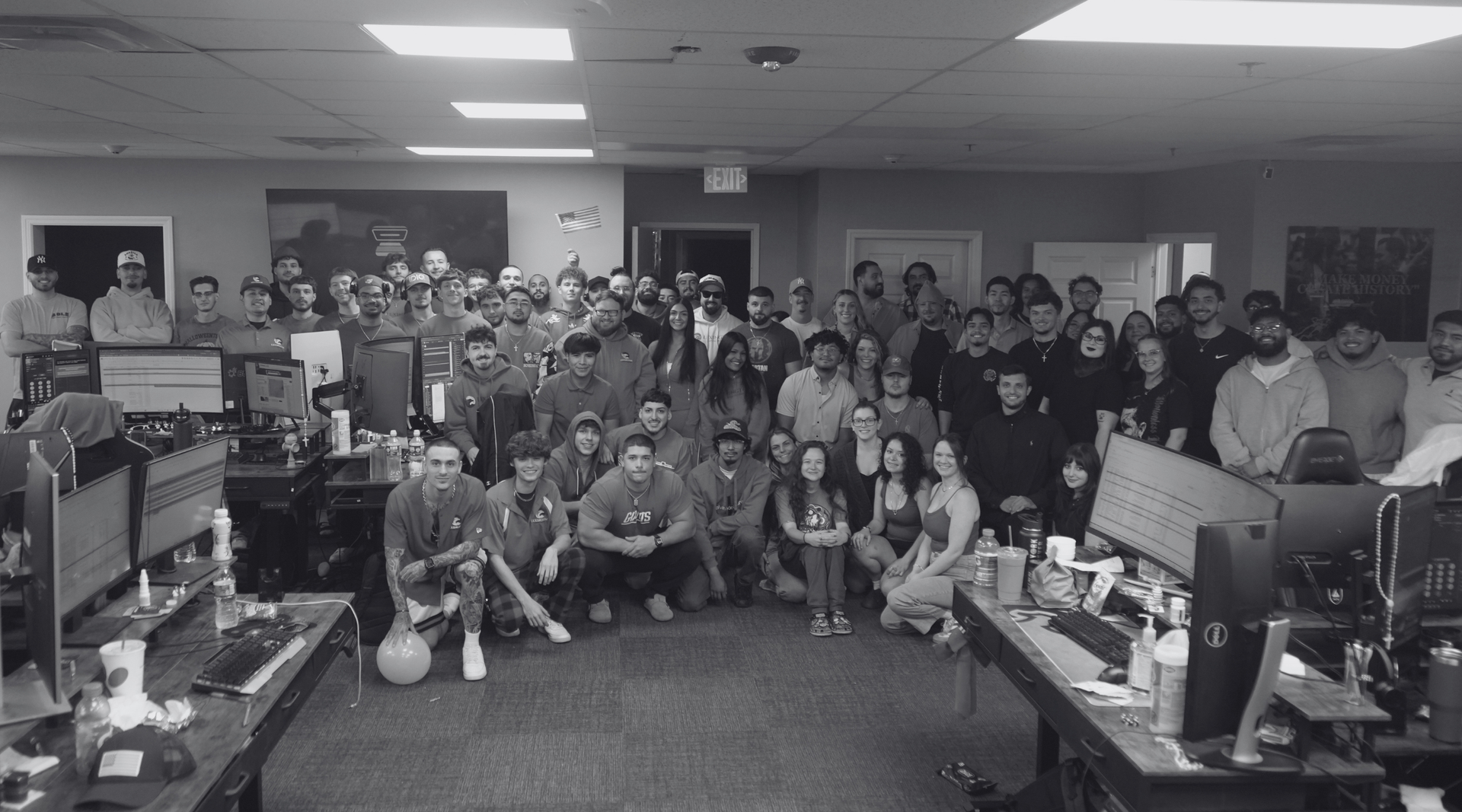
A milestone worth pausing on.

When you started your business, you probably envisioned freedom. The freedom to make your own decisions. The freedom to build something meaningful. The freedom to create a better future for yourself and your family. But somewhere along the way, many business owners find themselves trapped.

Every business owner has experienced it. Sales are coming in. Customers are paying. The business is growing. Yet somehow, your bank account feels tighter than ever. Growth doesn't always create more cash. In many cases, it actually creates more pressure.
Growing a business isn't about guessing. It's about making informed decisions.

Many business owners check their bank account every day—but the most successful ones keep a close eye on a handful of key numbers that tell the real story of their business.

Most rejected funding applications aren't rejected because the business is a bad bet. They're rejected because the owner didn't know what the lender was actually looking for. Here's what we check first, and how to get ahead of it.

93% of Small Businesses Expect to Grow This Year. Here's What Separates the Ones That Actually Will.
Confidence is at an all-time high. But confidence doesn't pay the bills—strategy does. Here are five moves growth-minded business owners are making right now.

They didn't apply for funding when they needed it. They applied before they needed it. That single shift — from reactive to proactive — is the difference between a business that scales on its own terms and one that scrambles when opportunity knocks or a cash flow gap hits.

Every week, we hear the same story from business owners across the country. They approached their bank. They had the revenue, the track record, and the vision. They filled out the paperwork. And then — after weeks of waiting — they got a letter that said no. Here's what most of those business owners didn't know: that "no" wasn't the end of the road. It was just the wrong road.

Technology has changed the way we do business. Emails can be automated. Meetings can be scheduled with a click. Artificial intelligence can write content, analyze data, and complete tasks that once took hours. There's no question that technology has made businesses more efficient.